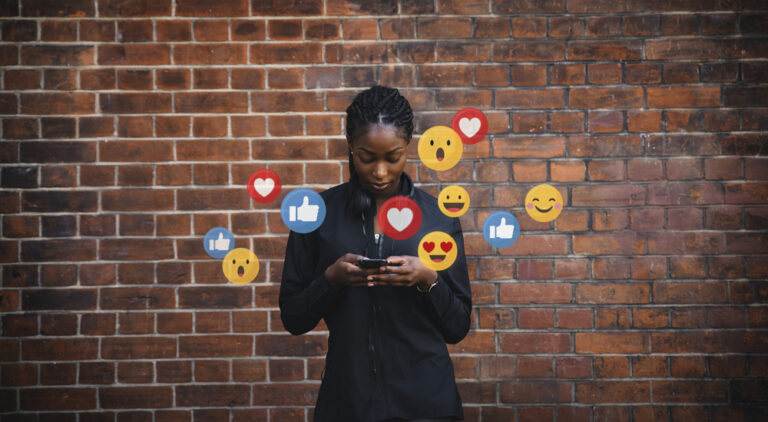
Research tells us that over 40 million adults in the United States are experiencing anxiety disorders of some type. However, only about 37% of them receive treatment for the condition, according to Healthline. That’s a big problem, leaving millions and millions of Americans experiencing anxiety that takes a toll on their quality of life and often results in depression and worse.
For some context, according to the Mayo Clinic, occasional anxiety “is a normal part of life. However, people with anxiety disorders frequently have intense, excessive, and persistent worry and fear about everyday situations. Often, anxiety disorders involve repeated episodes of sudden feelings of intense anxiety and fear or terror that reach a peak within minutes (panic attacks).”
As you can imagine, these types of emotions interfere with activities on a daily basis and can be very tough to control. For that reason, we are seeing a lot more focus on anxiety screenings these days. In fact, the U.S. Preventive Services Task Force (USPSTF) recently recommended that primary care physicians routinely screen adults under 65 without anxiety symptoms for anxiety disorders. The task force previously recommended that doctors screen children and teens ages 12 to 18 for anxiety as part of their regular healthcare. The recommendation enhances recommendations for depression screening by primary physicians.
USPSTF officials say they have added adults under 65 to the recommendation because the benefits from screening outweigh any potential harm.
Examples of anxiety disorders include generalized anxiety disorder, social anxiety disorder (social phobia), specific phobias and separation anxiety disorder. You can have more than one anxiety disorder. Sometimes anxiety results from a medical condition that needs treatment.
Why are women more affected by social anxiety?
We know that, on average, women experience more anxiety than men. There are certain biological mechanisms that could certainly explain this dynamic, like differences in brain chemistry and changes in hormones. For example, the boost in progesterone and estrogen caused by pregnancy has been shown to increase the chances of obsessive-compulsive disorder that can cause anxiety. Physical conditions such as thyroid issues, hormonal changes, or use of certain medications can increase the chances of experiencing anxiety. In addition, research shows that that men and women interpret life events differently, with women more likely to become stressed by them.
What are the symptoms of anxiety that women experience?
There are a wide range of symptoms that can cause anxiety in women. For example, anxiety can cause a lack of focus, rapid breathing, sweating, trembling, obsessive worry. It can also lead to feelings of exhaustion and depression.
What are some tips, besides seeing a doctor, to help women manage anxiety?
There are several ways to manage anxiety, such as practicing relaxation and breathing techniques, eating, and sleeping right, exercise, and participating in support groups. In addition, too much caffeine and alcohol can contribute to anxiety, so they should be avoided.
Easy, quirky, effective tips for soothing social anxiety?
Social anxiety is very common but luckily it is also very treatable, with different people responding to different treatments. Practicing public speaking can help some people get more comfortable over time in social settings. Joining a support group for people with social anxiety can be very helpful as well. As with general anxiety, eating and sleeping well can help reduce anxiety and caffeine and alcohol are often triggers for anxiety.