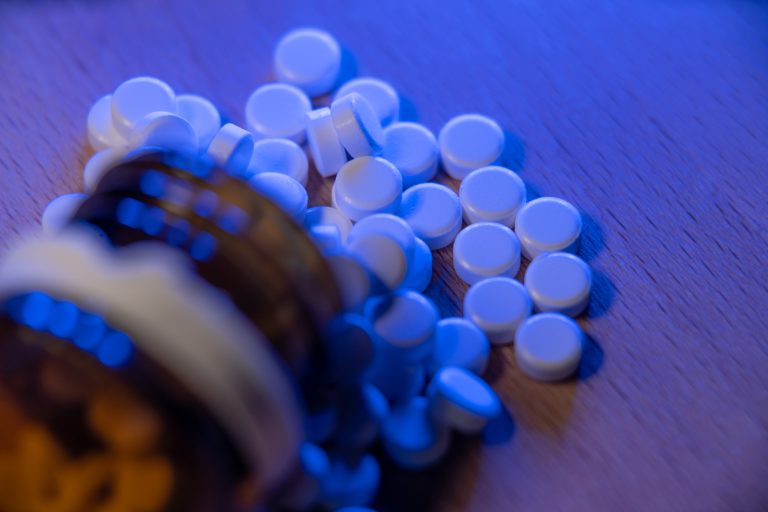
The body and brain work to maintain a state of balance called homeostasis. But ingesting strong substance alters that balance and then your body has to take steps to adjust, including via your neurotransmitters. So basically the human body makes a physiological adaptation when a foreign substance is introduced or maintained in the system. Opioids are strong substances that block pain messages being sent to the brain from the rest of the body. Therefore, when someone stops taking opioids, the body can experience some of the most unpleasant withdrawal symptoms, including severe pain and even hallucinations. It is therefore advisable to get off of opioids under medical supervision.
One example is Morphine, which is an opiate found naturally in opium. It is a very strong medication, the discontinuation of which results in severe withdrawal symptoms involving a number of different stages. These usually start with drug craving, anxiety and irritability and then can move to depression and headaches. Severe cramping and involuntary leg movements are often experienced next and eventually symptoms such as vomiting and diarrhea are experienced.
In the acute withdrawal phase, high blood pressure and an increase in heart rate can result in heart attacks and strokes. In general, those who take high doses of Morphine and abuse the drug for an extended period of time will experience the most severe symptoms.
The length of Morphine withdrawal depends on the user. Withdrawal symptoms can kick off within a few hours of the last dose. The physical symptoms often last 3 to 5 days but the psychological symptoms usually do not fade for weeks or even months.
Morphine withdrawal is most effective and safest when undertaken with the close supervision of medical professionals. The involvement of such professionals who can actually help expedite and ease the withdrawal process. They can also be very helpful after the withdrawal period. Keep in mind that effective treatment should usually involve medicines, counseling, and support from groups such as Narcotics Anonymous. Drinking plenty of water, eating healthy, and getting lots of sleep are crucial to getting through the withdrawal period. In addition, there are medications that can help with withdrawal such as Lucemyra and Suboxone. Lucemyra is FDA-approved to help with opioid withdrawal for those who stop taking opioids suddenly. Suboxone is FDA-approved to treat opioid dependence.