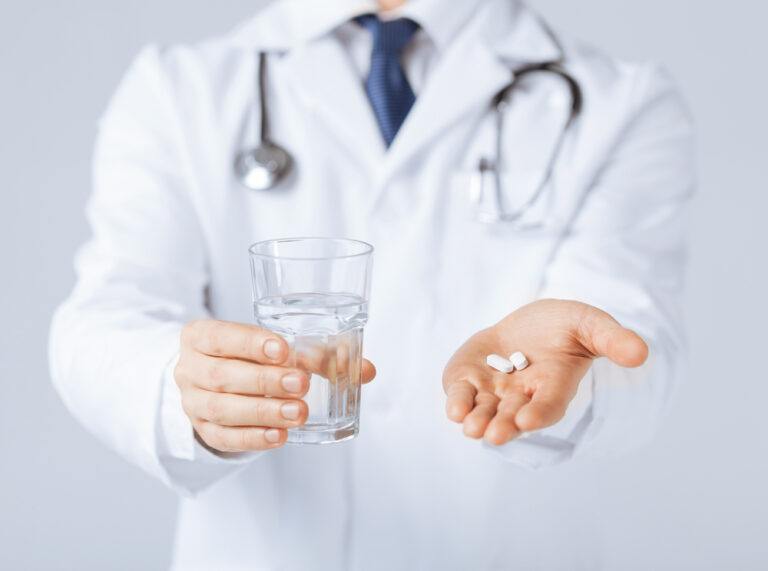
There are lots of natural remedies promoted for depression – but that does not mean they actually work. For example, regarding herbal remedies, the National Institutes of Health cites a large 2018 study (Yeung, Hernandez, et al) which concludes available evidence suggests there is some “utility of some herbal medicines in mitigating anxiety and depression, but conclusive data to show superiority in benefit/risk ratio of these products over current pharmaceuticals are lacking.”
While there are some studies that show utility for supplements, the Mayo Clinic reminds us that supplements are not monitored by the FDA the same way that medications are and therefore it’s very difficult to know exactly what you’re taking – regardless of what it says on the label. Also some herbal and dietary supplements are actually known to interfere with prescription medications or cause dangerous interactions. Consulting with your doctor is always the best course of action before taking these products.
In April of 2022 researchers found that people who accumulated half the recommended amount of physical activity had an 18% lower risk of depression compared to adults with no activity. Those who accumulated the recommended hours had a 25% lower risk of depression. Interestingly they also discovered that benefits of exercise diminished above that level. And The Journal of Affective Disorders published a study of individuals in a geographic area where sun time vacillates significantly and concluded that sunlight can indeed lift mood. The researchers specifically concluded that “increased mental health distress was found during periods of reduced sun time hours.”
Similar Posts
MDMA to treat Depression and PTSD
Data published in Nature Medicine magazine shows us that MDMA can help significantly cut down on PTSD symptoms in study participants. More specifically, the outcomes showed that using MDMA as part of your treatment regimen positively effected functional impairment including in the personal and professional lives of participants. The outcomes demonstrated that over 85% of…
PTSD in Men
We know that anyone can suffer from PTSD, but there is a clear gender difference in how common PTSD is in men vs. women. According to the National Center for PTSD, about one in ten women suffer sometime in their life with PTS. About half the number of men suffer from PTSD. Data shows us…
What’s Emotional Maturity?
Emotional maturity is characterized by the ability to think through issues and interact with others in an appropriate manner, with the goal being to make a given situation better, not worse. The best way to do this is to accurately recognize emotions in yourself, as well as others, and respond constructively. Emotional maturity is usually,…
Q&A on Teens and Sleep
In general, we’ve seen an increase in anxiety amongst our younger patients. There are a number of reasons that we believe this has been the case. They include the isolation that the younger people experienced during Covid, the side effects that they experienced from not interacting with their friends during Covid and related difficulties. Lack…
Q&A on How Some Use Pacifiers To Reduce Stress
Do pacifiers help calm anxiety in adults?Anxiety is a serious medical condition and should be treated by a doctor. There is not significant medical research yet on the health benefits of adult pacifiers. And while some adults might believe that pacifiers offer them relief from tension, such a benefit would only be temporary in nature….
New Research Shows Promise of Cannabis
A new study in Current Biology indicates that cannabinoids hold potential for helping treat a variety of conditions, including depression and anxiety. For that reason, it is important to study their effect on various living beings which will help us better understand their potential benefit for humans in the future. The scientists at the University…